What stack.so is
SocialFi has a usability problem, not a tech problem.
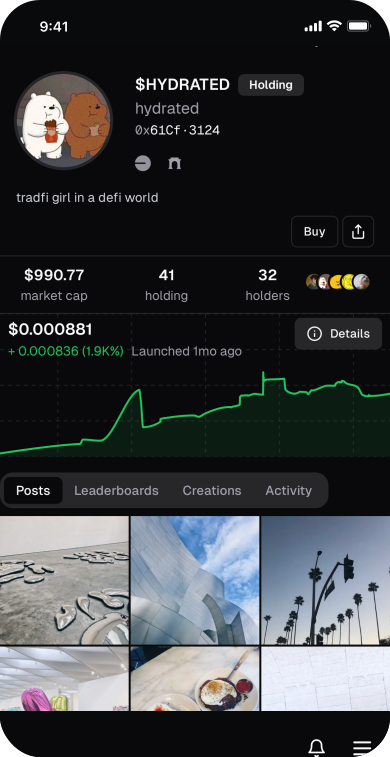
Stack.so is a SocialFi crypto app that helps small creators monetize content and build a community while simplifying crypto adoption, Instagram and Robinhood, fused. Users post content, engage with their audience, and manage a wallet to buy, sell, and trade tokens, including their own.
The challenge: small creators don't want to learn a crypto stack. They want to monetize what they're already doing. The product had to feel social-first and let the financial layer fade into the background, without losing the upside that makes SocialFi worth using.
"Make people feel like the product just works.", my operating principle on every screen.
How I came in
As a contractor. Stayed because the team moved fast.
I joined for what was scoped as a homepage and messaging pass during the NYC strategy week. By the end of the engagement, I was running brand strategy, creator funnel design, monetization UX, and on-the-ground launch ops at two Web3 conferences. The scope kept growing because the team kept shipping.
Every hour was logged. Slack and Notion records back every entry. This isn't a portfolio approximation, it's a paid engagement with a real time log.
Where the hours went
Four workstreams. One coherent launch.
Workstream 01
Homepage strategy + product UX
In-person whiteboarding at the NYC office. Structured messaging hierarchy, layout decisions, monetization UX (creator visibility + payout split mechanics), token gating UX, USD payout audit, full Figma async pass on creator-facing flows.
42 hrs · Feb 23 – Mar 31
Workstream 02
Creator funnel + community ops
Designed end-to-end creator acquisition: Discord server, Reddit community presence, Google Form gated application. Drafted creator-facing copy. Built the empathy interview pipeline and ran live creator interviews captured into team notes.
12 hrs · Mar 18 – Apr 2
Workstream 03
Token2049 + Paris IRL activation
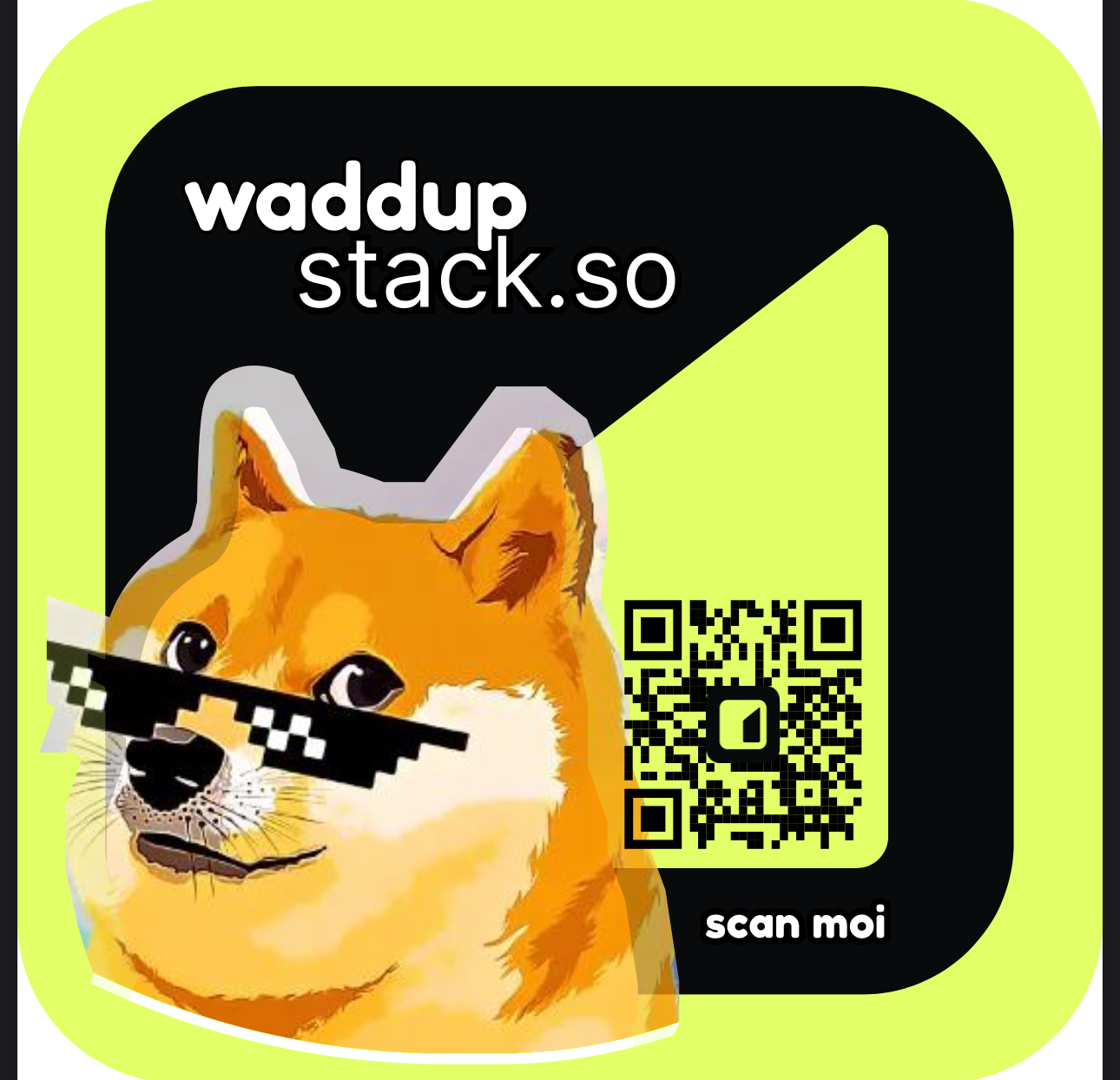
Mascot sticker design and vendor coordination. On-the-ground at Token2049 Dubai, sticker distribution, creator pitches, distribution follow-up. Pitched Stack to creators live at Paris Blockchain Week. Coordinated offline lead capture and post-event handoff.
8 hrs billed + 8 hrs pro-bono · Apr 18 – 24
Workstream 04
Launch deck + final brand pass
Final strategy deck, copy, visuals, async review, CTA flow, PDF export. Content library audit (naming + grouping). One-liner brand messaging refinement. Async deck feedback through team wrap-up. End-of-engagement Slack handoff.
25 hrs · Apr 21 – May 9
Engagement at a glance
87 hours, mapped.
Most consulting engagements blur. This one didn't, every hour logged against a deliverable, with Slack and Notion as audit trail.
Week 1 · NYC
42h
In-person sprint. Homepage, monetization, creator empathy interview, brand QA.
Wks 3–4
12h
Token gating tweaks, USD payout UI, creator funnel build.
Wk 5
5h
Figma comments + UX pass on homepage, mobile, pricing.
Wk 6 · Token2049
2h
Mascot stickers finalized. 3 hrs IRL activation, unbilled.
Wks 8–9
19h
Final deck, copy, visuals, async review, PDF export.
Wks 10–12
7h
Content library + brand messaging. Wrap-up handoff.
Design calls that shaped the work
Five decisions, mostly about restraint.
01 · Social first, finance fades
The wallet sits under the social layer, not next to it. Crypto-curious creators land on a content feed. Token mechanics surface when they're ready, not as the first impression.
02 · Build the funnel, then the brand
Discord, Reddit, and a Google Form went up before any of the polished brand work. Real creators in real conversations beat any deck. The brand calibrated to what they said.
03 · Token gating as a gift, not a wall
Reframed the gating UX from "locked content" to "members-only access". Same mechanic, different posture. Tooltip language and flow tweaks doing the heavy lifting.
04 · IRL beats deck
Token2049 mascot stickers + face-to-face creator pitches at Paris generated more qualified leads than any digital channel. SocialFi creators want to see who's behind it. The team showed up.
05 · Audit-trail consulting
Hours logged daily, deliverables linked to entries, Slack + Notion as receipts. 87 hrs billed, 8 hrs pro-bono, every line defensible. A small thing, but the kind of small thing founders remember.
06 · End on a deck
Final wrap was a polished launch deck, copy, visuals, narrative, exported. Future investor or hire pickup needed one document to onboard from, not a Slack archaeology dig.
Research & process
The whiteboards before the homepage.
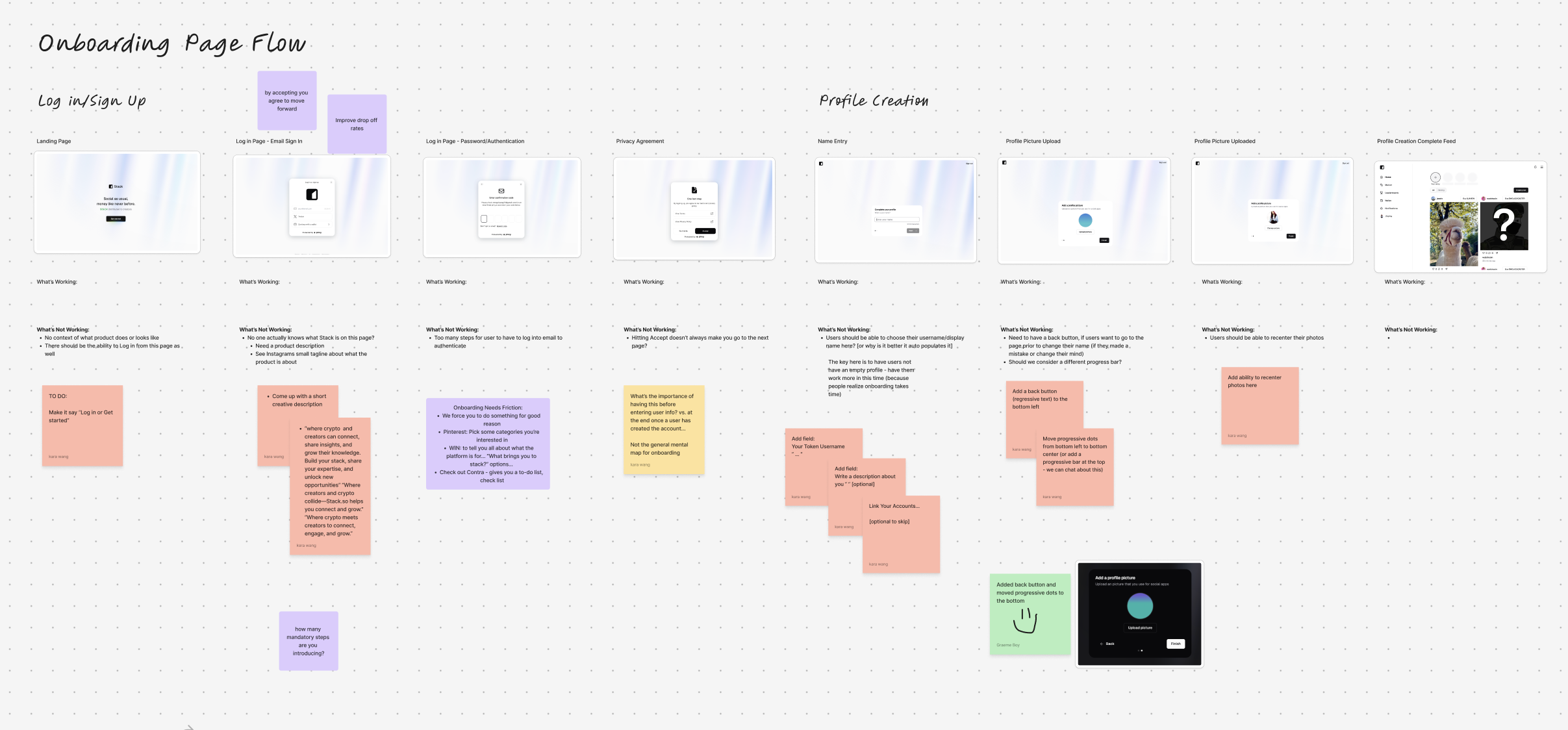
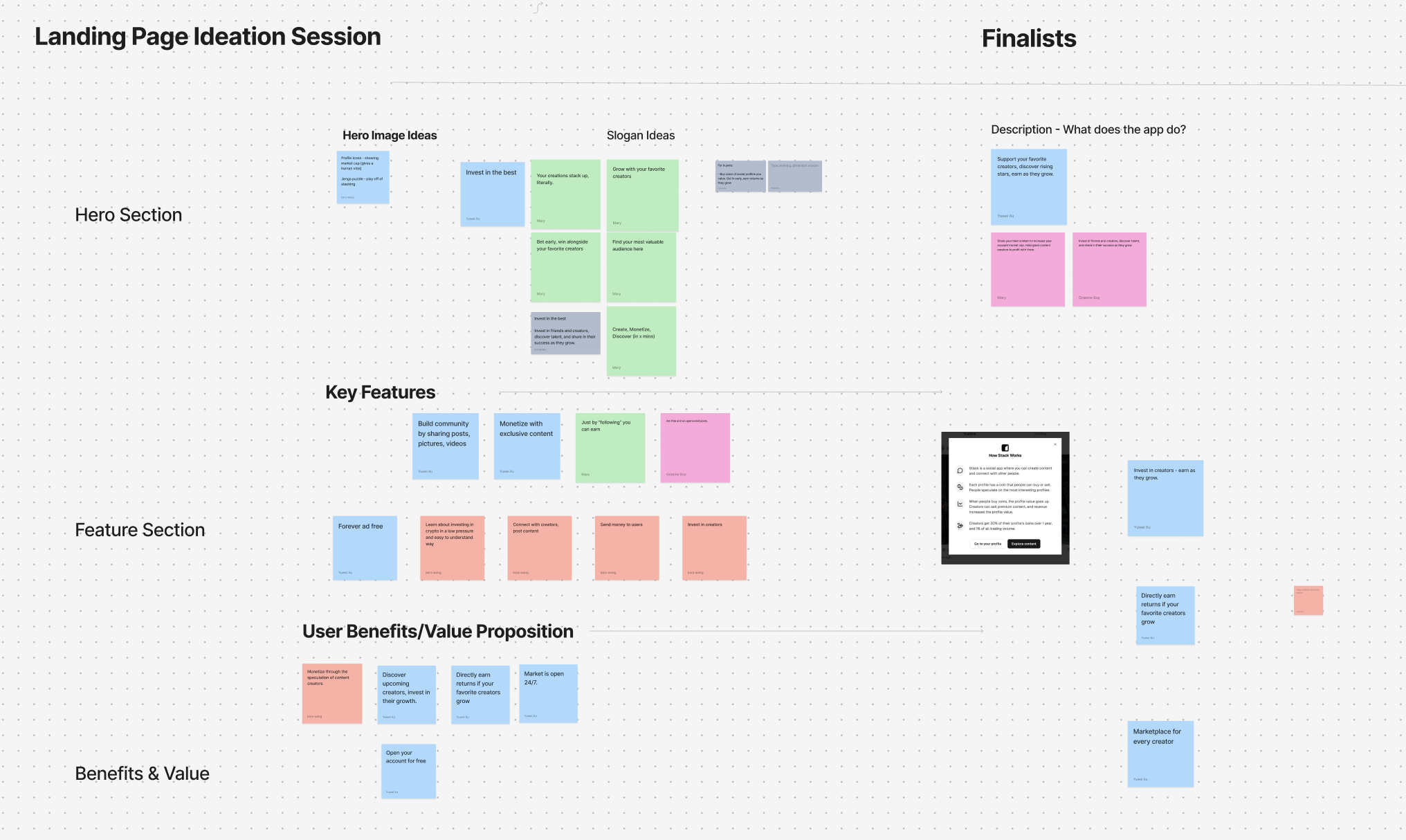
Most portfolio pages skip the messy middle. Here's the messy middle. Two of the FigJam boards I ran while embedded with the team, onboarding flow critique with the actual screens annotated, and the landing-page ideation session that became the homepage.
Board 01 · Onboarding flow audit
Every screen mapped. Every friction noted. Sticky notes from me, Kara, and the team, "no context of what product does," "users should be able to choose their username," "too many steps for user to have to log into email to authenticate." The audit became the redesign brief.
Board 02 · Landing page ideation
Live session with Yuwei, Kara, Mary, and Graeme Boy. Hero ideas → slogan candidates → key features → user benefits → finalists. The "Finalists" column on the right is what shipped: "Invest in friends and creators, discover talent, and share in their success as they grow."
From the work
Web2.5 product. Dark, premium, social-first.
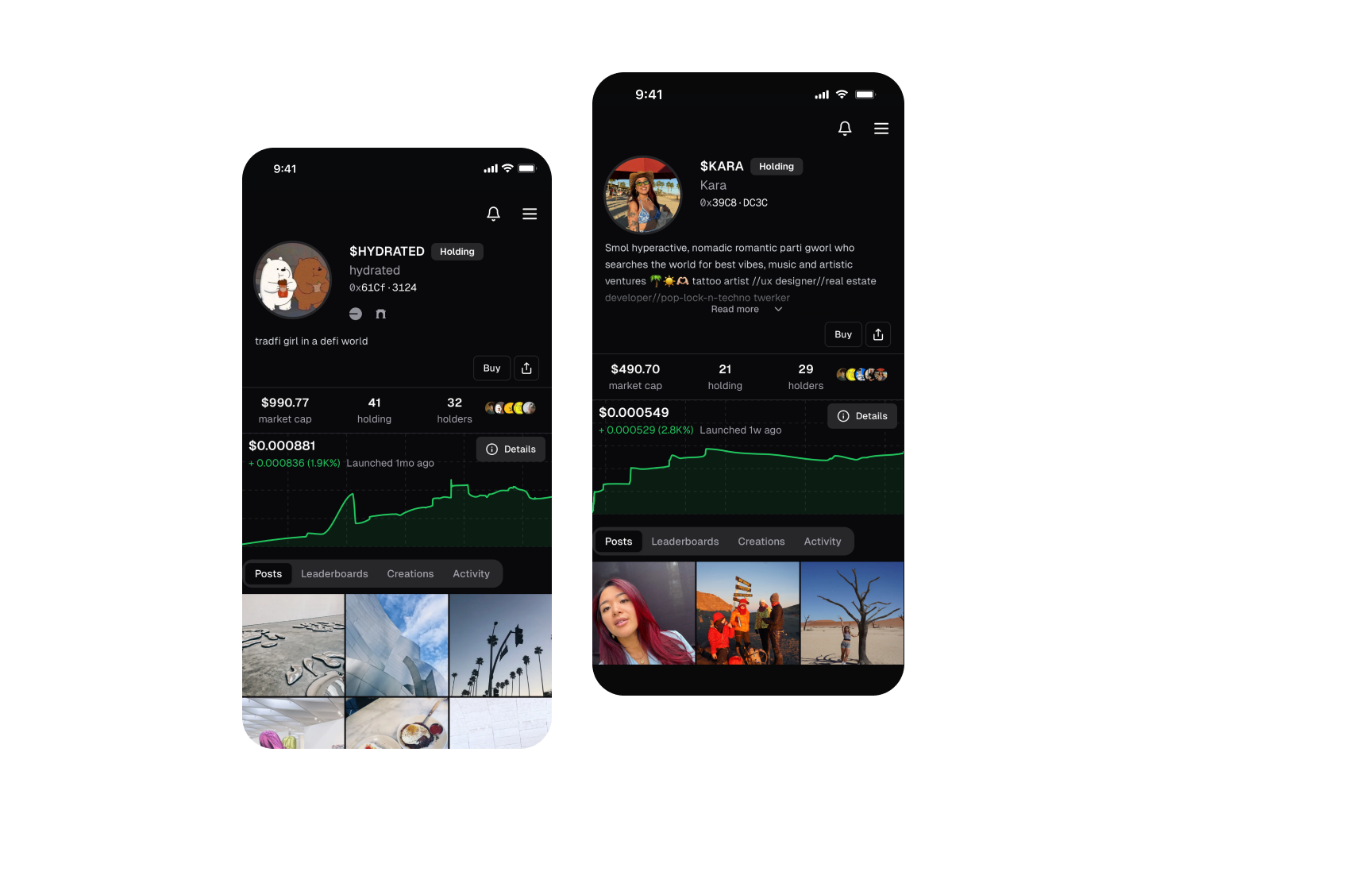
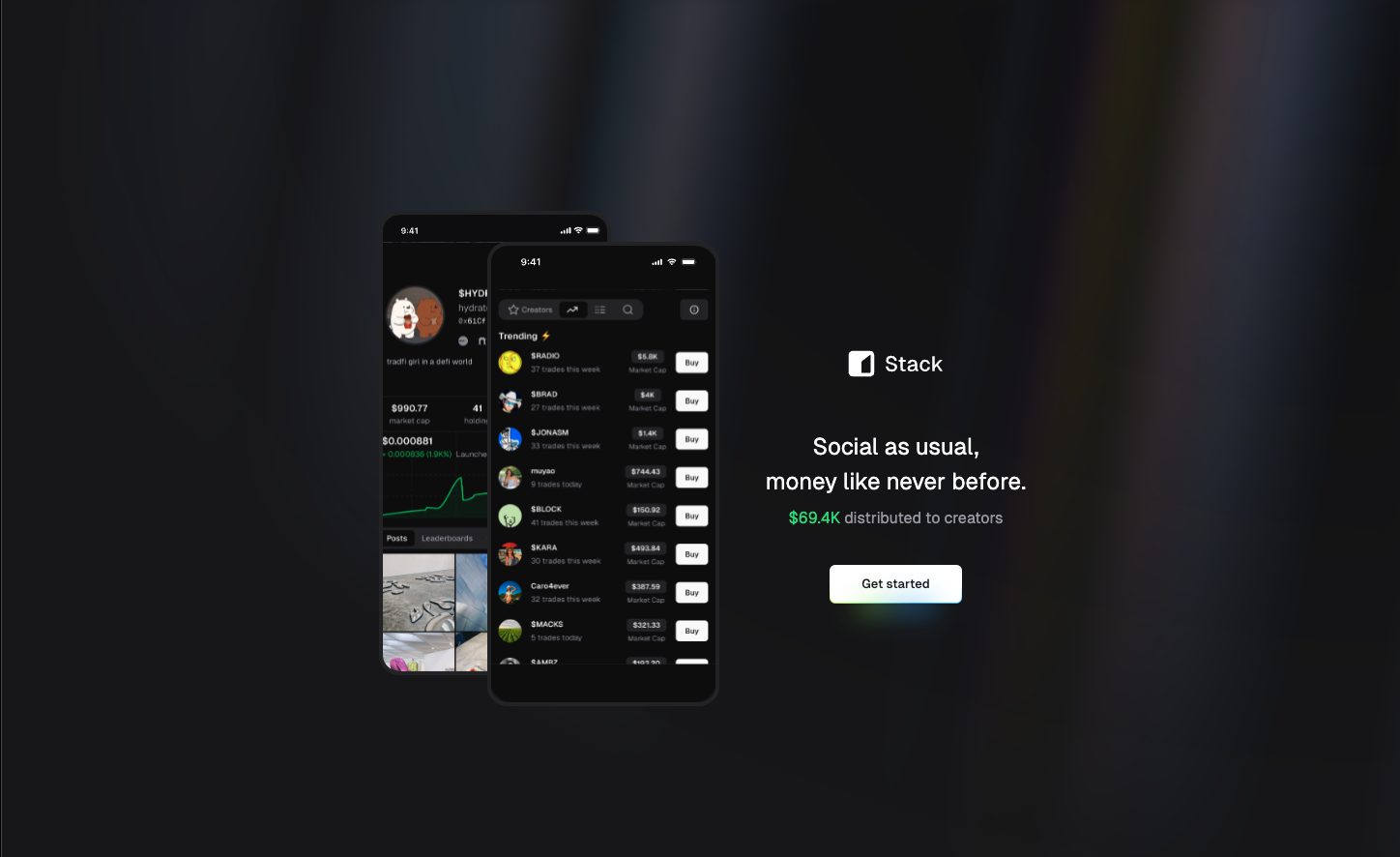
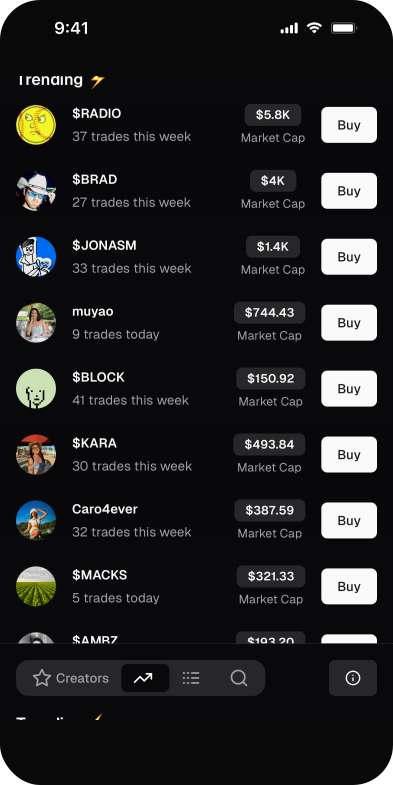
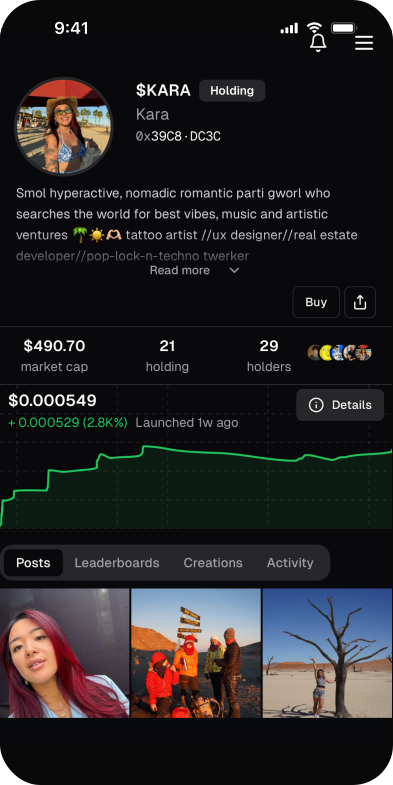
The product I shaped UX for. Dark mode native, content feed primary, wallet under the social layer. Web3 mechanics behind a recognizable social interface, the Web2.5 framing Stack ended up building from.
Product in context · MacBook + iPhone composite from the brand file
Platform view · token gating UX + creator monetization surfaces
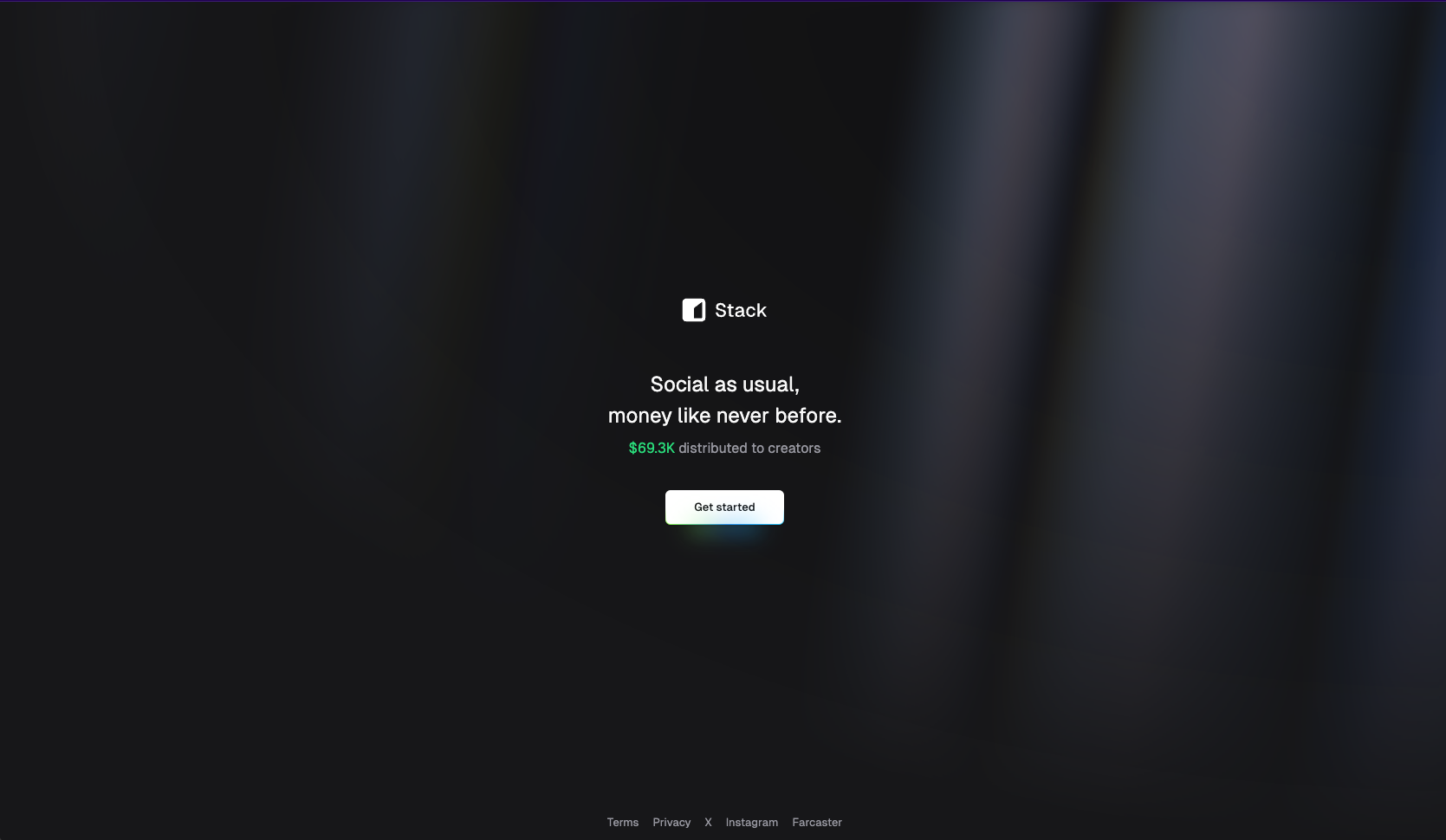
Landing page · final messaging pass · dark premium aesthetic
Mobile flows · feed → creator → community · social UX hiding the crypto layer
Where we landed
Brand calibrated. Funnel running. Team's on their own again.
By wrap, Stack had a coherent homepage narrative, a working creator funnel across three channels, two activated Web3 events, a final launch deck, and a brand voice that talked to creators in their language instead of in tokenomics. The team picked up from there, which is exactly the right outcome for a consulting engagement: make them stronger, then leave.
Real talk
Real talk
Two things. I'd compress the engagement, 42 hours in the first week was the right move, but the trailing 25 hrs across April–May lost momentum because the team's own velocity slowed. Better to define a hard end-state milestone earlier. I'd also run more usability tests, the research plan I drafted called for 8–10 task-based tests, but the team was launch-hot and we deferred. The token gating UX got polished without that signal. It worked; would have worked better with it.