Team Inventory Registry
A system of record for agile delivery teams: full redesign and feature expansion.
Growth lens: adoption. Took an internal tool from an NPS of −2 to positive, and to 3,000 users in its first month.
An outdated tool, an unhappy user base, and a new customer set to design for.
TIR was being introduced to developers, delivery leads, and managers with different use cases from the original users. It needed ASV (application/service) and component mapping for each team, which didn't exist.
The existing design was non-compliant with ADA and corporate design standards, visually confusing, and had an NPS of −2. I was tasked with a complete refresh and new features for the expanded audience.
30–40 interviews. Three personas. One clear focus.
I ran a competitive analysis against Pulse and Workday to find gaps (integrated HR-hiring data, richer team information), then 30–40 empathy interviews across Capital One campuses.
Most developers had never used TIR, so I rewrote the script mid-interviews to focus on what they'd need from a registry tool.
I created three personas, each using the same data for different jobs to be done:
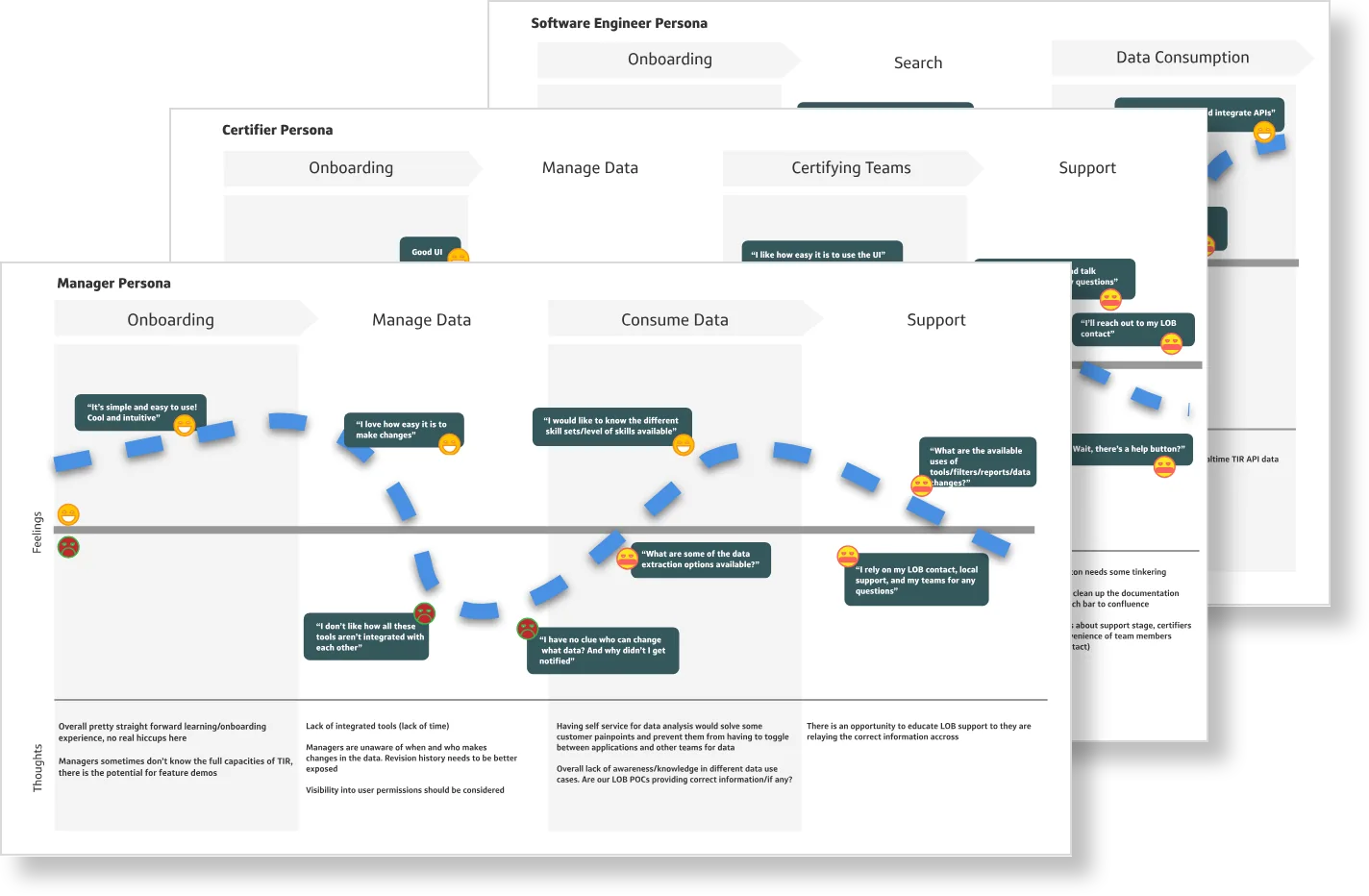
User personas · three distinct jobs-to-be-done
Journey maps surfaced one theme: data management and consumption were the hardest parts, so the redesign focused there.
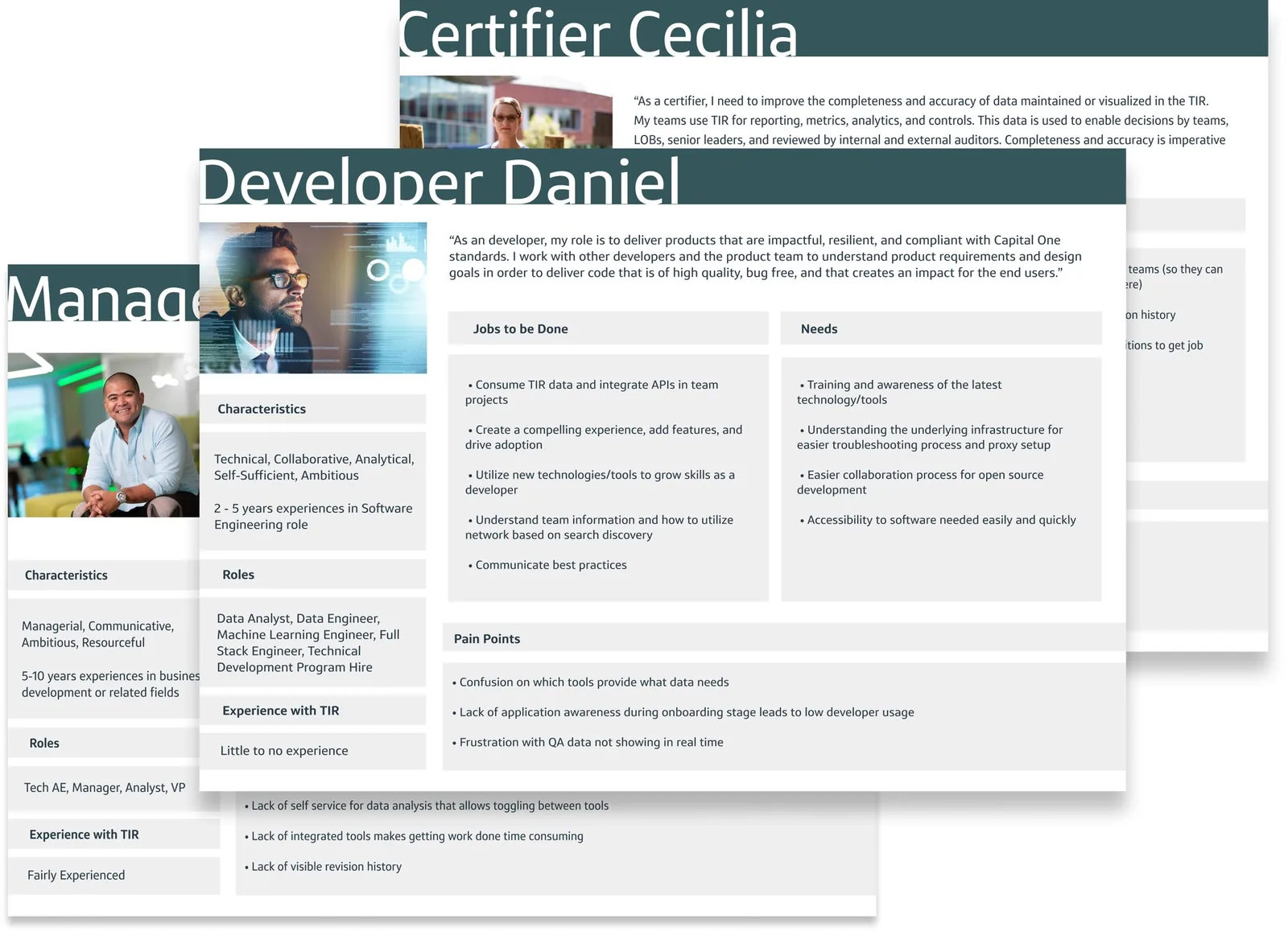
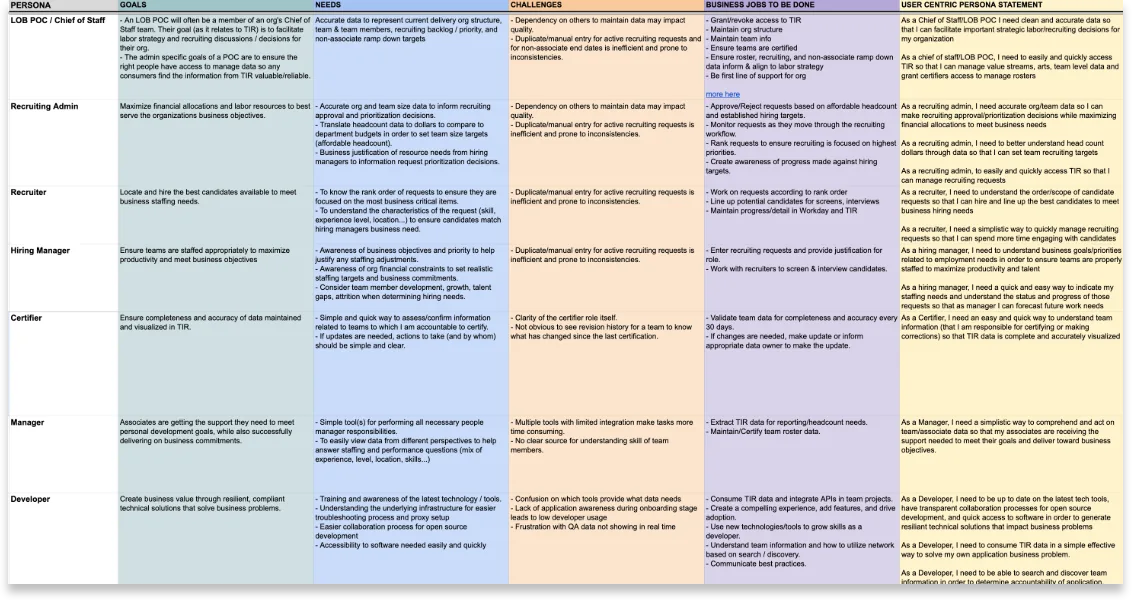
Journey maps · JTBD per persona
Three problems to solve.
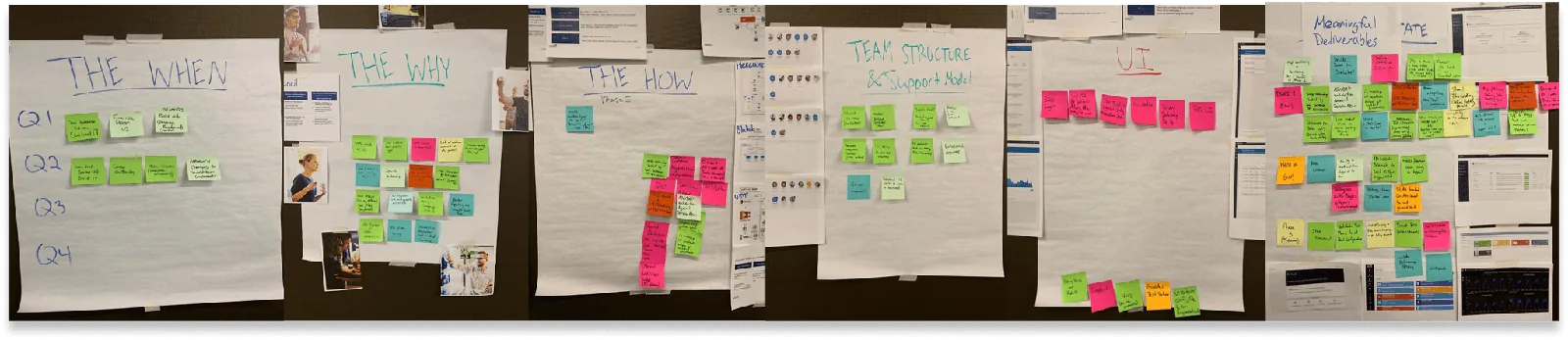
Affinity mapping. Then whiteboarding.
In a full-day affinity mapping session, I kept pulling the team back to scope: a clean experience with the new ASV component, within real development constraints. Not a full rebuild.
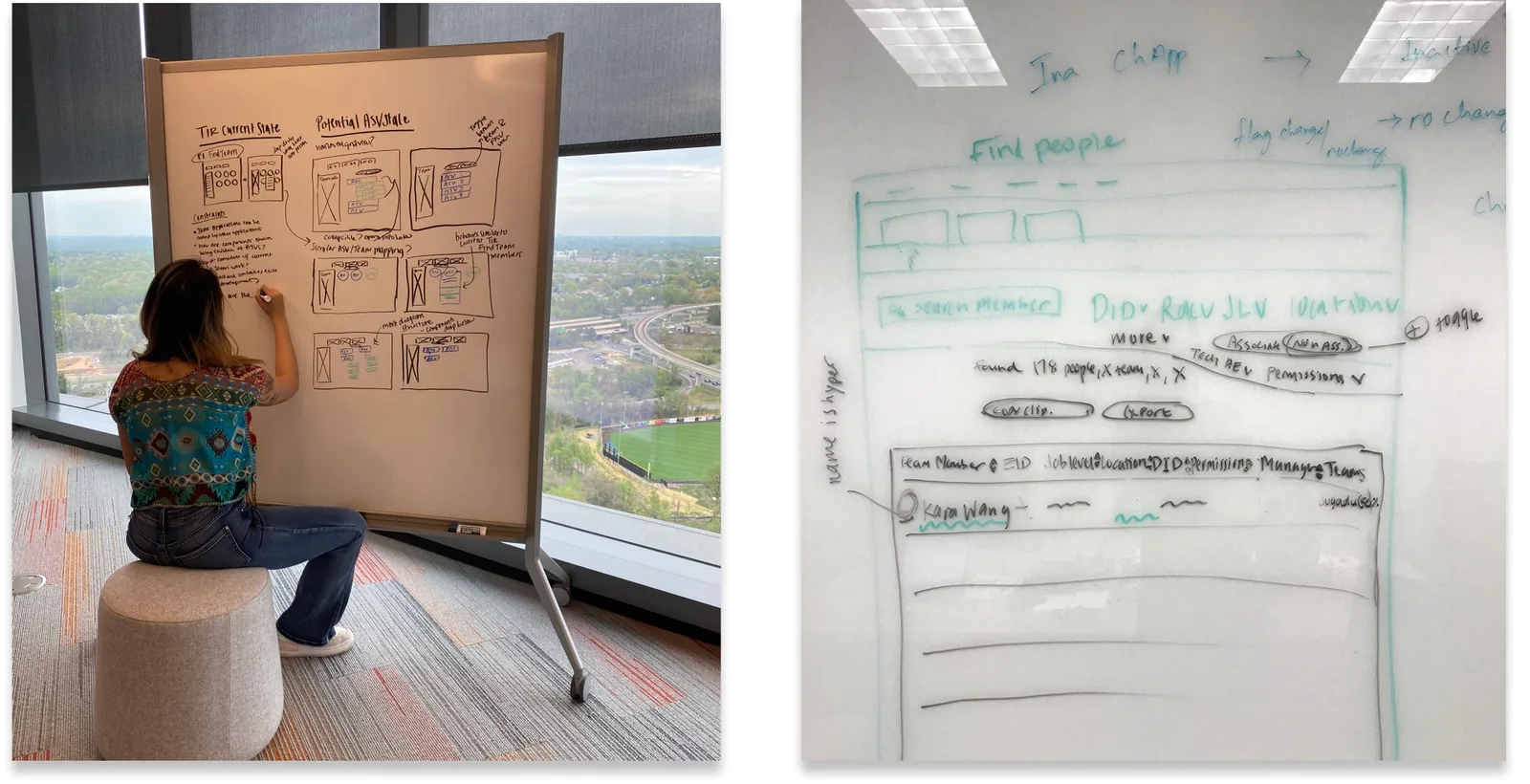
Affinity mapping · full-day synthesis session
Then I moved to low-fi whiteboarding: complex data, without overwhelming users who just needed to "run in and get out."
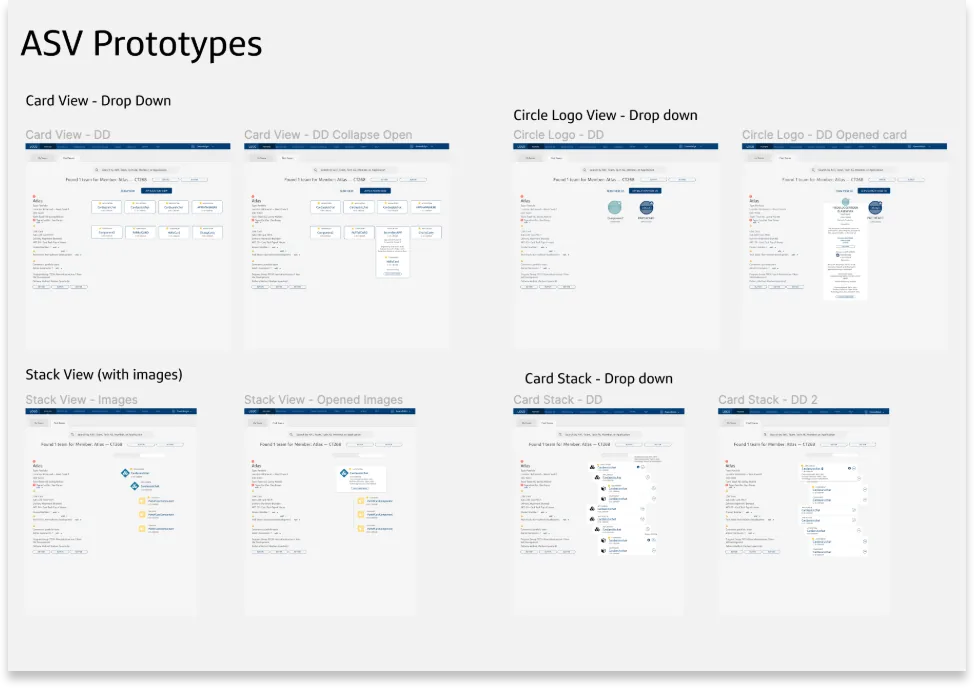
Low-fi wireframes · data-dense views scoped for speed
Two concepts. 15 users. 75% clear winner.
I prototyped two ASV mapping designs with different interaction models and tested them with 15 users.
75% preferred Card Style A: the right data at the right density. Users didn't want to hunt for information, just confirm it quickly.
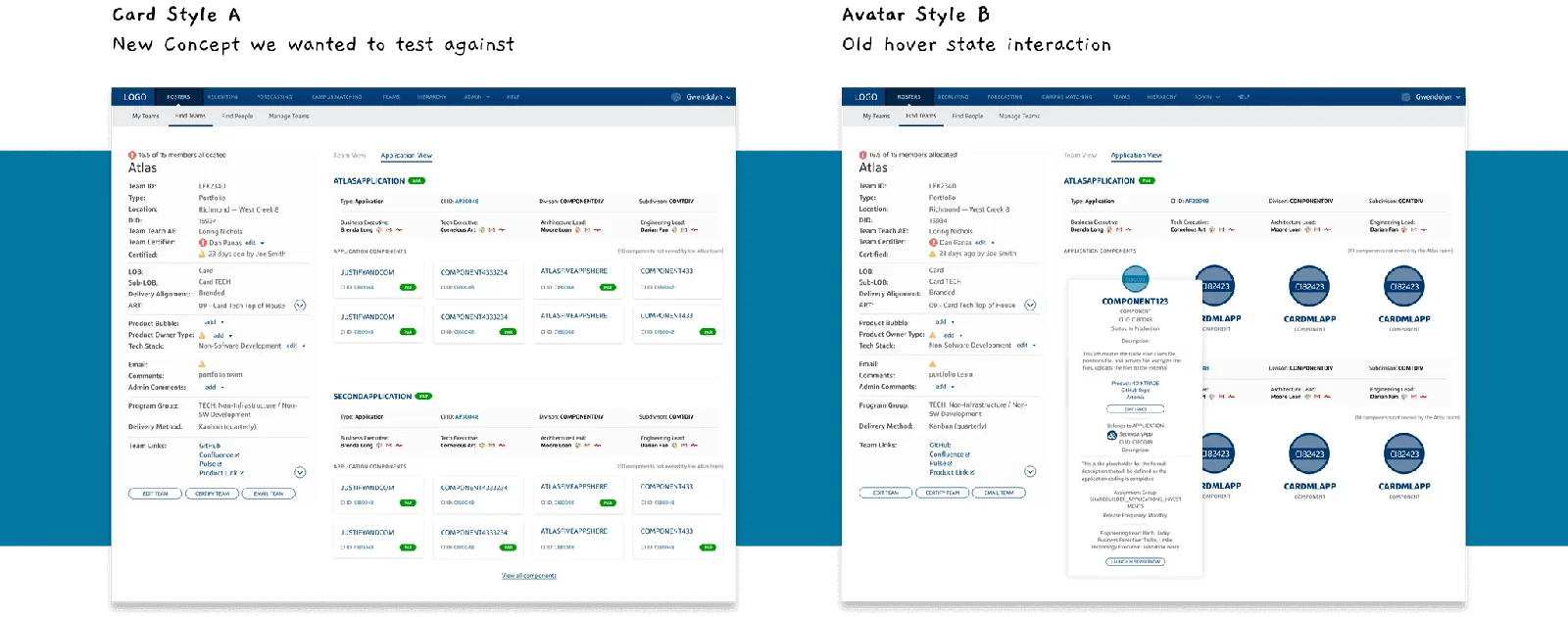
Concept test · 15 users · 75% clear winner
I also created a structured design delivery process, because review meetings had become unfocused. It saved significant time and gave the team a clear path to users.
Two key deliverables.
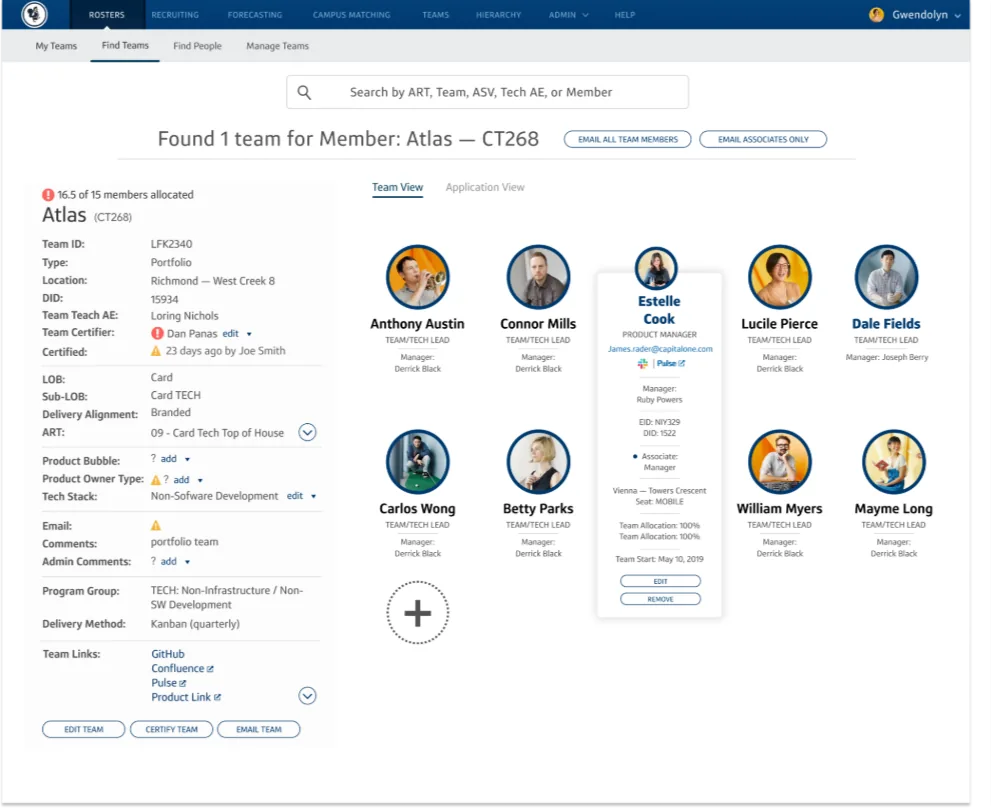
Find member search · table view
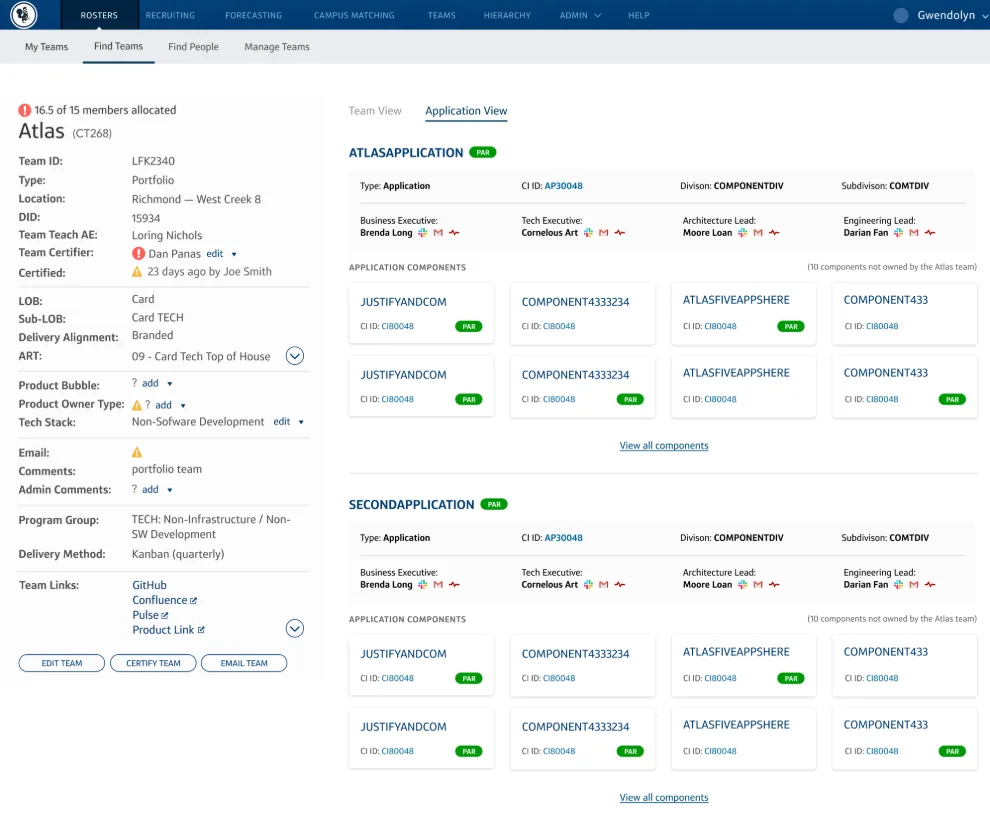
ASV mapping · coordinated with ServiceNow
NPS −2 to positive. 3,000 users in month one.
From January 2020 to January 2022, NPS went from −2 to positive.
ADA violations were resolved, the design aligned to Gravity, and ASV mapping, the #1 request from the new personas, shipped.
Communication is a design problem too.
Leadership ran ideation in silos, so design work kept landing against stale briefs. I set up Slack channels and JIRA workflows to connect leadership, external teams, and design in real time.
Treating communication as part of the design system is what got TIR shipped, and I've taken it into every project since.