OnePipeline
Redesigning developer notifications for Capital One's CI/CD platform so teams catch failures earlier, with less noise.
Growth lens: activation. Notifications that get developers to act sooner.
Pipeline failures were slow, noisy, and too late.
Pipeline failures surfaced late, after significant work was done, with little guidance on fixing them. Notifications either flooded developers with noise or stayed silent when it mattered.
Project Bonneville aimed to help teams "shift left" and catch issues earlier. The biggest design opportunity was the communication layer around the pipeline, not the pipeline itself.
15 interviews. One clear signal.
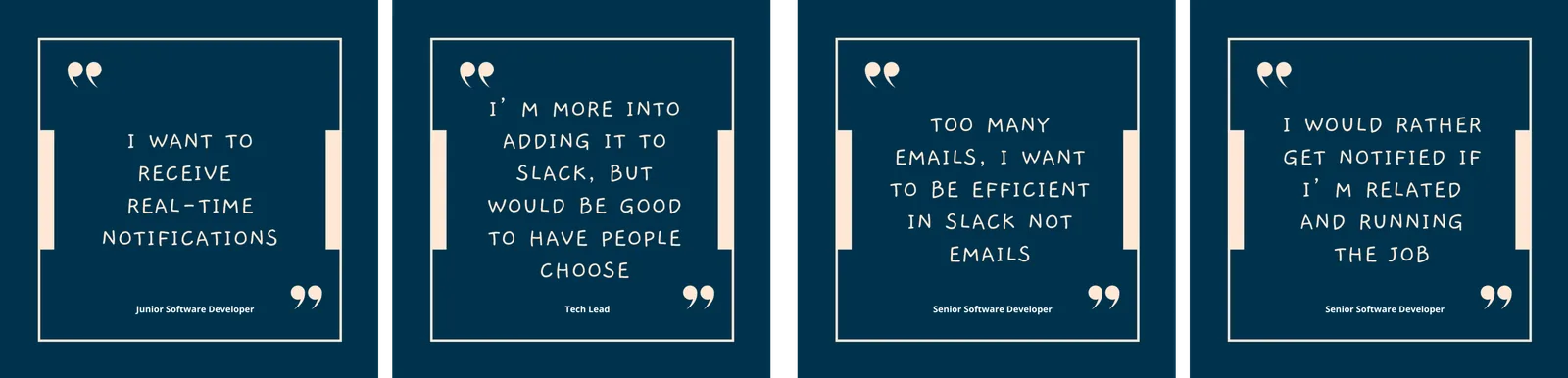
I interviewed 15 developers across tech teams. The surprise: notification fatigue was a bigger blocker than the pipeline failures themselves. An affinity map narrowed it to four findings:
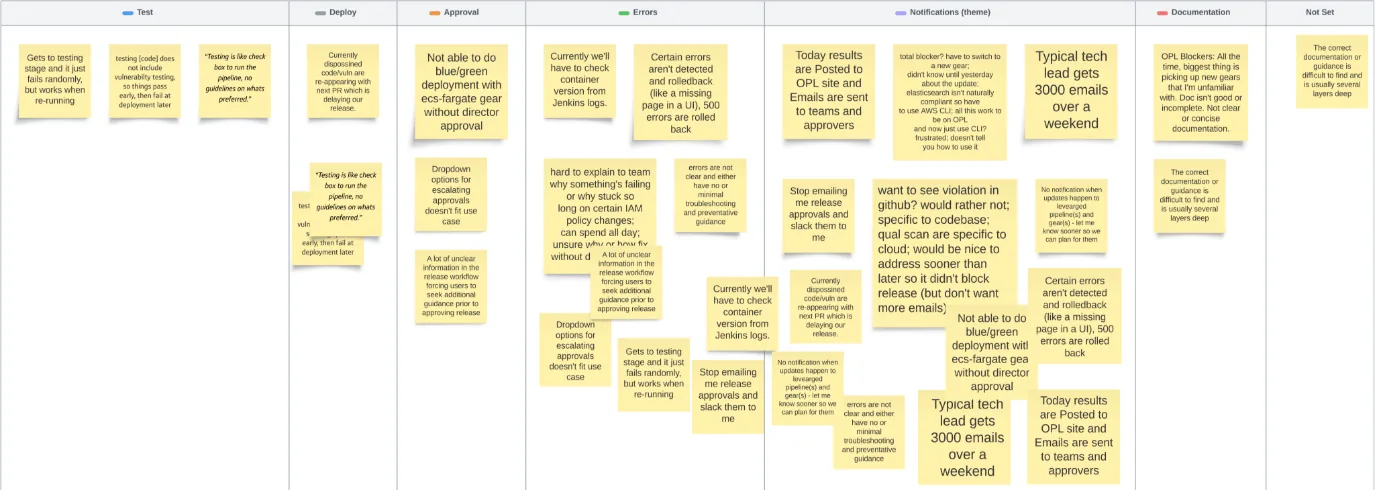
Affinity mapping · 15 interviews synthesised
Empathy interviews · Capital One engineering teams
Auditing what already existed.
I audited notification systems across Capital One's internal tools and external developer platforms. The gap: centralized in-app notifications and a smarter Slack integration were both underserved.
Competitive analysis matrix · internal + external platforms
12-person workshop. 3 concepts to test.
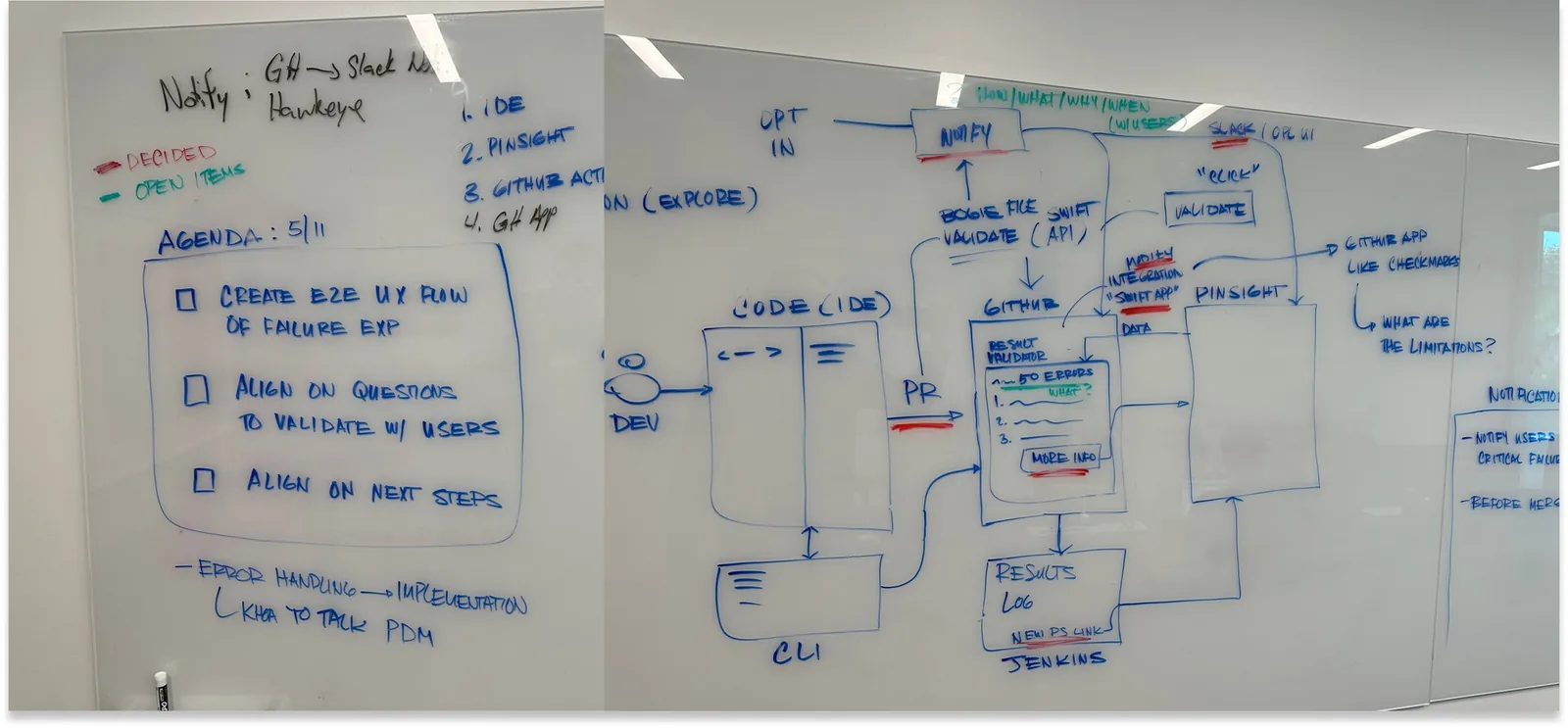
I facilitated a cross-functional workshop with 12 stakeholders and developers. In Lucid, they voted on the top three ideas:
My notification research backed the first direction, which became the primary focus.
Lo-fi → validation → hi-fi → ship.
I wireframed three alerting concepts and tested them with 20 users to find the banner pattern with the least fatigue. The least intrusive option won, matching the competitive audit.
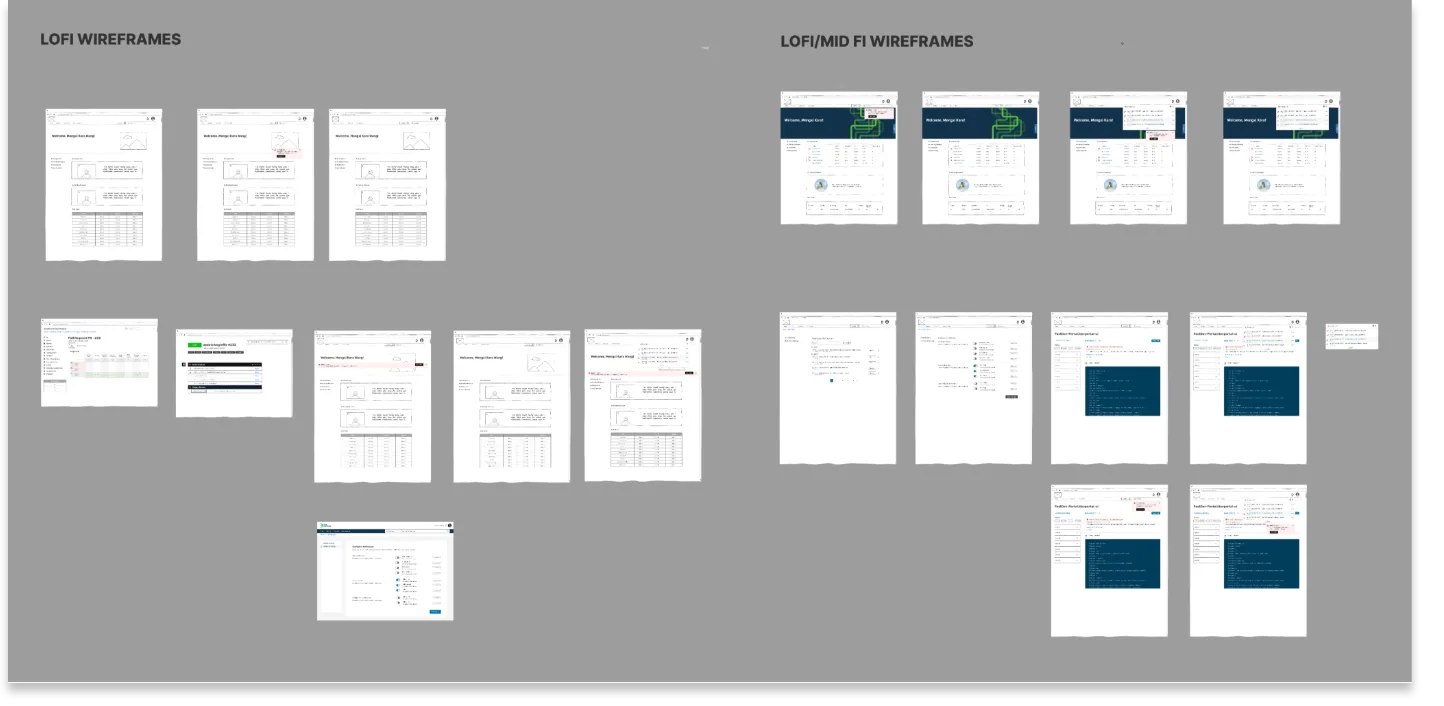
Lo-fi wireframes · three alerting concepts
Four hi-fi deliverables:
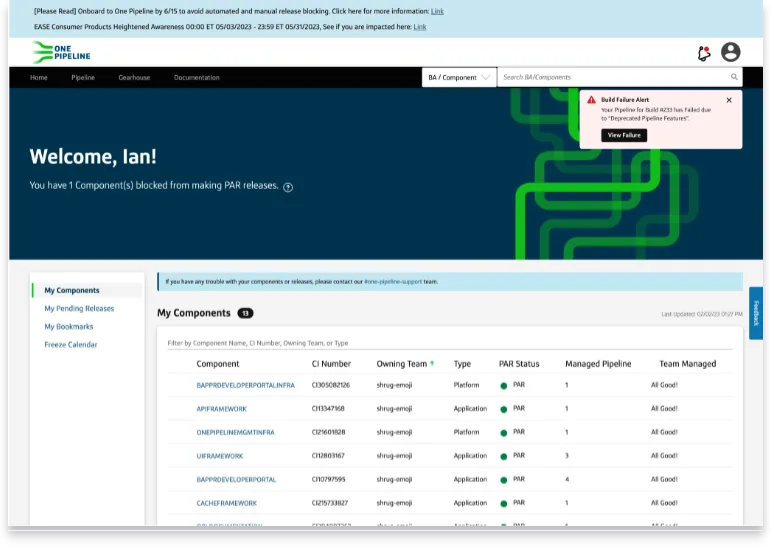
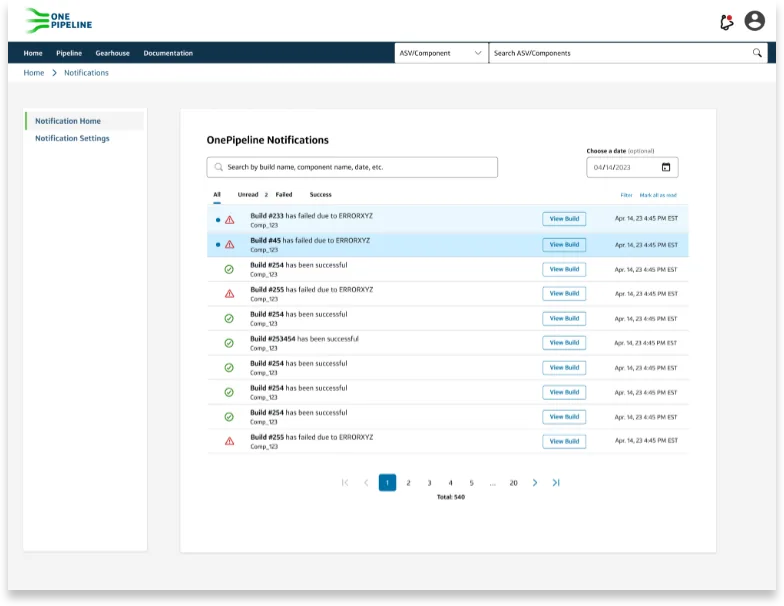
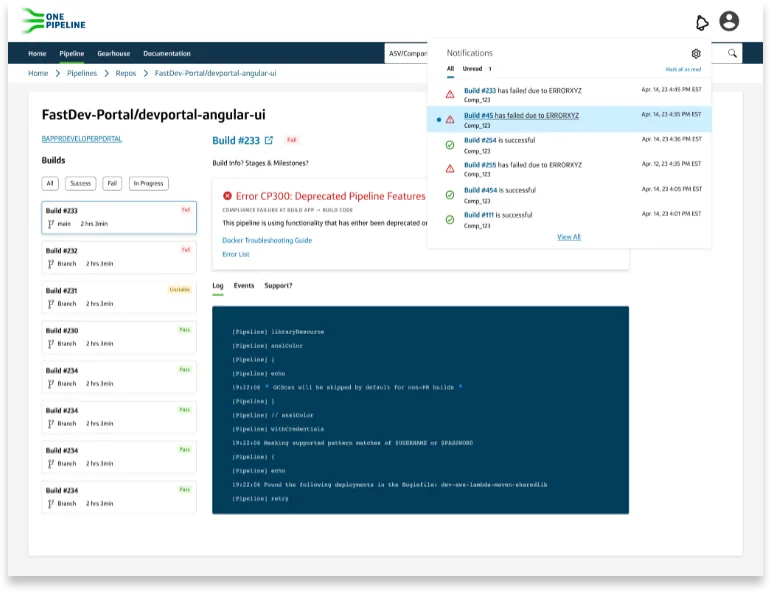
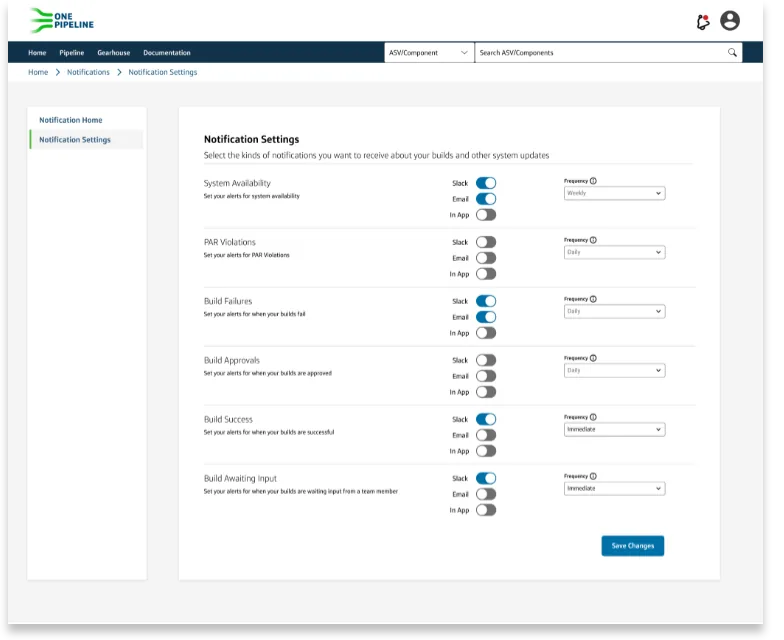
Hi-fi screens · failure alert · notification center · dropdown · settings
Shipped. Measured. It worked.
Measured against the original tech initiative metrics, the new system cut failed-build resolution time by ~50%. The notification center, smarter Slack messaging, and redesigned email alerts gave developers the signal clarity they'd been missing.
Communication design is product design.
Silos cost time. Leadership ran ideation sessions without sharing outcomes, so design work targeted deprecated decisions.
I organized Slack channels and JIRA workflows across leadership, external teams, and design, using my scrum background to keep information flowing. That got the project through the final sprint to ship.